Oil & Gas

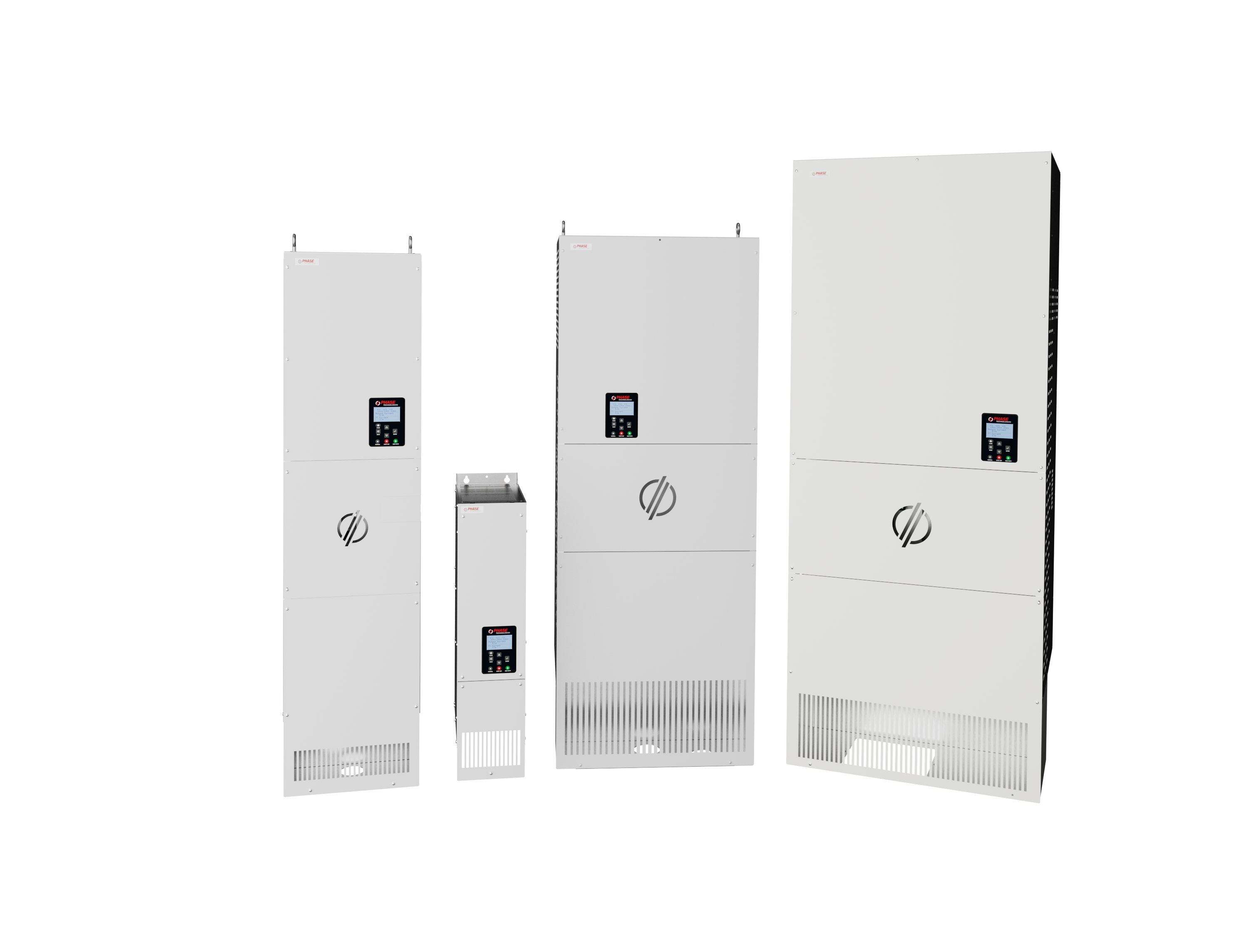
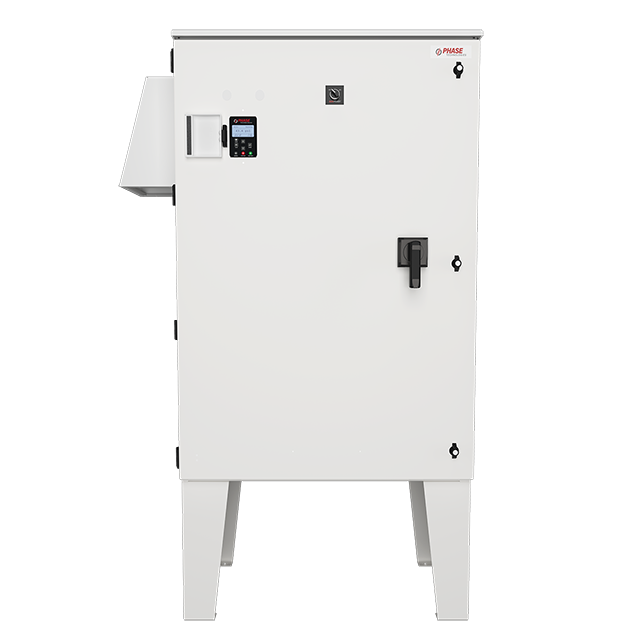
LH Regenerative VFD technology reduces energy consumption by over 10% compared to traditional dynamic braking resistors, while improving overall system efficiency and returning excess power to the grid.
Returns regenerated energy, traditionally burned off by DBR’s, back to the power grid, improving overall system efficiency and reducing lift cost.
Utilizes Active Front End (AFE) technology to reduce harmonic distortion to 5% or less, meeting IEEE 519-2014 standards.
Power factor correcting maximizes pumping jack efficiency. Delivering power to the motor, reducing energy costs, and eliminating utility penalties.
Power Conditioning: Correcting up to 50% of voltage unbalance. By equalizing phase voltages your motor will run cooler, more efficiently, and last longer.
Eliminates the need for costly harmonic filters.
In oilfield applications where high inertia loads and frequent deceleration are common this regenerative capability significantly reduces energy consumption, eliminates the need for braking resistors, lowers cooling requirements, and improves overall system efficiency and reliability.
Step 1: When the motor is slowing down or being driven by the load, it acts like a generator instead of a motor. This converts the machine’s mechanical energy into AC electrical power.
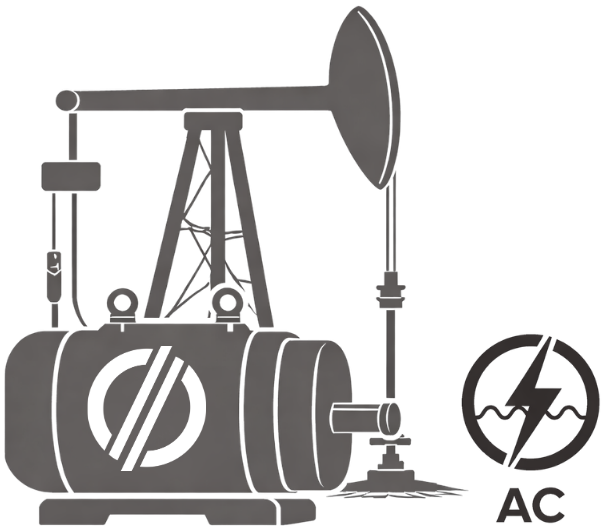 Motor Generates AC Power
Mechanical Energy is Converted to Electrical Energy
Step 2: The generated AC power re-enters the output inverter.
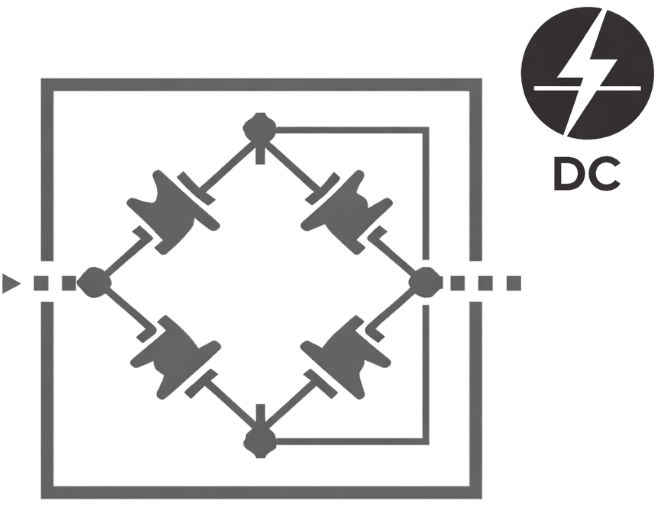 AC to DC Power Conversion
Generated AC flows back to line side
Step 3: The DC bus acts as an energy buffer. It temporarily holds the recovered energy and Stabilizes it before sending it onward.
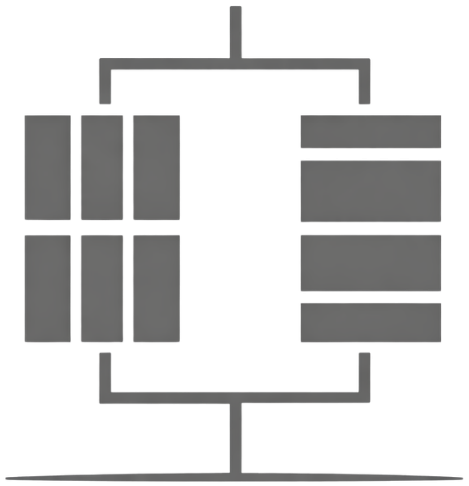 Converts Recovered Energy
The DC Bus converts the Recovered Energy
Step 4: The Active Front End (AFE) takes the stored DC energy and converts it into clean ACpower with low harmonics.
 DC to Clean AC
The Active Front End Converts DC back to Clean AC
Step 5: Power is sent back to the utility/grid. The cleaned AC power is then fed back into the utility/grid instead of being wasted as heat in braking resistors.
 Power Returned to Grid
Power is Sent Back to the Utility/Grid